
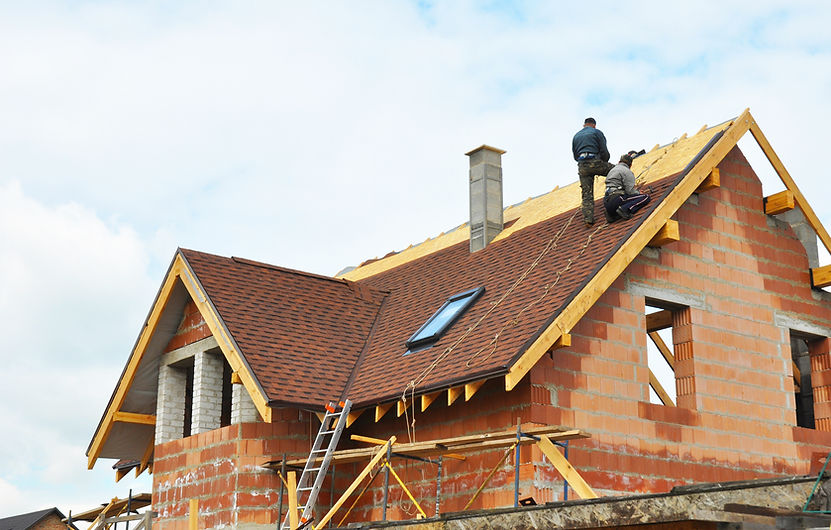
How Much Does a Roof Replacement Cost in Portland?
Updated August 4, 2026 | By the Rain City Roofers Team
Quick answer: Portland roof replacement cost
A complete roof replacement in the Portland Metro area often falls within a broad planning range of $8,000 to $25,000 or more. The actual price depends on the roof’s size, pitch, accessibility, material, tear-off requirements, flashing, ventilation, and the condition of the roof deck below the existing roofing.
That range is a starting point, not a quote. The most reliable way to determine the cost for a specific Portland home is to have the roof inspected, measured, and evaluated by a licensed roofing contractor.
Rain City Roofers provides clear recommendations and detailed roofing estimates for Portland-area property owners. Our team serves the Portland Metro from across the river with active Oregon licensing under CCB 212180.
What is the average cost of a new roof in Portland, Oregon?
Most homeowners want one simple number, but two houses with similar square footage can have very different roofing costs. A straightforward asphalt-shingle roof with easy access may fall toward the lower end of the planning range. A large, steep, cut-up roof with several layers to remove, damaged decking, skylights, chimneys, or premium materials may cost substantially more.
The size of the house is only one part of the calculation. Roofers price the roofing surface, which can be larger than the home’s floor plan because of the slope, overhangs, garages, additions, and multiple roof sections.
For budgeting purposes, Portland homeowners can begin with the $8,000 to $25,000+ range. For decision-making, use a written estimate based on the actual roof.
What affects the cost of a Portland roof replacement?
The following factors have the greatest influence on a roofing estimate.
1. Roof size
Roofing materials are commonly measured in “squares.” One roofing square covers 100 square feet of roof surface. A larger roof requires more shingles or metal, more underlayment, more accessories, more disposal capacity, and more labor.
2. Roof pitch and design
A steep roof generally requires additional safety equipment and takes longer to complete than a low-slope, easy-to-walk roof. Valleys, dormers, hips, skylights, chimneys, and intersecting rooflines also add cutting, flashing, and installation time.
3. Property access
Crews need safe access for people, materials, equipment, and debris removal. Limited driveway space, close neighboring homes, extensive landscaping, elevated roof sections, or difficult staging areas can affect project planning and labor.
4. Existing roofing and tear-off
The number and type of existing roof layers affect removal and disposal costs. A complete tear-off also allows the crew to evaluate the roof deck and prepare a clean surface for the new roofing system.
5. Roofing material
Architectural asphalt shingles are a common choice because they balance appearance, performance, and initial cost. Metal roofing generally has a higher upfront investment but can provide long-term durability. Low-slope sections require a compatible membrane system rather than ordinary shingles. Premium or specialty materials can raise both material and labor costs.
Rain City Roofers installs roofing systems from established manufacturers, including Malarkey Roofing Products and Owens Corning. Homeowners can compare colors, profiles, performance features, and available warranty options on our shingle selection page.
6. Roof-deck damage
The roof deck is not always fully visible until the old materials are removed. Soft, delaminated, or deteriorated sheathing may need to be replaced before the new roof can be installed correctly. Active leaks, long-term moisture, and poor ventilation can increase the likelihood of hidden damage.
A good proposal should explain how unforeseen decking replacement will be documented and priced if it is discovered.
7. Flashing, penetrations, and ventilation
Chimneys, plumbing vents, skylights, walls, valleys, and other transitions need careful water-shedding details. Intake and exhaust ventilation may also need to be evaluated as part of the roofing system. These details can affect cost, but they are important to long-term performance.
8. Permits and project-specific requirements
The City of Portland states that reroofing with a material of similar weight generally does not require a residential building permit, including replacement of some or all existing roof sheathing. Special property conditions, a change to a heavier material, structural work, wildfire-zone rules, attached housing, solar components, or other project details may change the requirements. Homeowners should confirm the current requirements for their address and scope of work with the appropriate local authority.
Which roofing material offers the best value in Portland?
There is no single best material for every Portland property. The right choice depends on the roof design, budget, appearance, maintenance expectations, and long-term plans for the home.
Architectural asphalt shingles
Architectural shingles are widely used on Portland homes. They offer a practical combination of cost, style options, repairability, and manufacturer system choices. Proper installation, flashing, ventilation, and maintenance matter as much as the shingle name printed on the package.
Metal roofing
Metal roofing can be an attractive option for homeowners prioritizing durability, clean lines, and long-term performance. It usually costs more upfront than asphalt shingles. Roof geometry, panel type, transitions, penetrations, and installer experience all influence the final price.
Low-slope and membrane roofing
Porches, additions, multifamily buildings, and commercial properties may include low-slope roof sections. These areas need a system designed for low-slope drainage, such as an appropriate membrane. Rain City Roofers provides commercial and TPO roofing solutions when the property and project scope are a fit.
The best comparison is not simply “shingles versus metal.” Compare the complete proposed system, included accessories, installation details, contractor qualifications, available warranties, and total project scope.
What should a roof replacement estimate include?
A useful roofing estimate should make it easy to understand what is included and what could change. Depending on the project, a written proposal may address:
-
The measured roofing area and approved scope
-
Removal and disposal of existing roofing materials
-
Roofing material, profile, and selected color
-
Underlayment and water-shedding components
-
Flashing at walls, valleys, chimneys, and penetrations
-
Intake and exhaust ventilation considerations
-
Roof-deck replacement terms if hidden damage is found
-
Property protection, debris handling, and cleanup
-
Manufacturer and contractor warranty information that applies to the selected system
-
Payment schedule and available financing terms
-
Anticipated scheduling and project communication
Ask questions when an estimate uses vague allowances or leaves out major roofing-system components. The least expensive proposal is not always the lowest long-term cost if important work has been excluded.
Can hidden damage increase the final price?
Yes. Hidden roof-deck damage is one of the most common reasons a final roof replacement price can differ from the original visible-condition estimate.
Before tear-off, a contractor can inspect accessible areas, look for visible sagging or staining, and evaluate available attic conditions. However, the full deck is not exposed until the old roofing comes off. If damaged sheathing is found, the crew should document the condition, explain why replacement is recommended, and follow the pricing or change-order process described in the agreement.
Addressing damaged decking is not an optional cosmetic upgrade. The new roofing system needs a suitable surface beneath it.
Is roof repair or replacement more cost-effective?
A repair may make sense when damage is isolated and the remaining roof is in serviceable condition. Examples can include a limited flashing concern, a small area of storm damage, or a repairable leak source.
Replacement may be the better long-term decision when the roofing is broadly worn, leaks are recurring, materials are failing in several areas, previous repairs have not solved the problem, or the roof deck and system require more extensive work.
Age alone does not answer the question. Material condition, installation quality, ventilation, storm exposure, maintenance history, and leak patterns all matter. A professional roof inspection can help separate an urgent issue from routine maintenance and determine whether roof repair or replacement deserves consideration.
How can Portland homeowners avoid roofing estimate surprises?
Use the same checklist for every contractor so the proposals are easier to compare.
-
Confirm that the contractor is licensed for work in Oregon.
-
Ask whether the proposal includes tear-off, disposal, underlayment, flashing, ventilation, cleanup, and applicable taxes or fees.
-
Request the exact manufacturer, product line, color, and accessory details.
-
Ask how damaged decking is priced and approved.
-
Confirm which warranties are available and what is required to keep them valid.
-
Ask who will communicate with you before, during, and after installation.
-
Review payment and financing terms before signing.
-
Compare the full scope—not only the total at the bottom of the page.
Clear documentation protects both the property owner and the contractor.
Does homeowners insurance pay for a new roof?
Homeowners insurance may help with covered damage caused by a sudden event, such as wind or a fallen tree, depending on the policy, cause of loss, roof condition, exclusions, deductible, and insurer’s decision. Insurance generally is not a maintenance plan and may not cover deterioration caused by age, wear, deferred maintenance, or long-term leakage.
If you suspect storm damage, protect people first, prevent additional damage when it is safe to do so, take photos, and contact your insurance company promptly. A roofing contractor can document visible conditions and provide a repair or replacement estimate, but the insurer decides coverage.
Is financing available for a Portland roof replacement?
Rain City Roofers offers financing options for qualified customers. Availability, approval, rates, terms, and payment amounts depend on the financing provider and the applicant. Ask about current options when requesting an estimate, and review all disclosures before accepting a financing plan.
How long does a roof replacement take?
Project duration depends on roof size, pitch, design, material, access, weather, required repairs, and inspection or permit needs. Some straightforward residential projects can move quickly, while large or complex roofs require more time.
Your contractor should discuss the expected schedule before work begins and explain how weather or newly discovered repairs could affect it. Because Portland conditions can change, protecting the exposed roof and planning material deliveries are important parts of the process.
Portland roof replacement FAQs
How much does a roof replacement cost in Portland?
A Portland roof replacement often falls within a broad planning range of $8,000 to $25,000 or more. Roof size, pitch, access, tear-off, material, flashing, ventilation, and hidden deck damage determine the actual price.
How do I get an accurate roofing estimate?
Schedule an on-site evaluation with a licensed roofing contractor. The contractor should inspect accessible conditions, measure the roof, discuss material choices, and provide a written scope rather than relying on a price generated from home square footage alone.
What is the most affordable roofing material?
Architectural asphalt shingles are commonly among the more affordable complete roofing options for sloped residential roofs. The best value still depends on the complete system, installation details, roof design, warranty choices, and expected service life.
Does a new roof require a permit in Portland?
The City of Portland says residential reroofing with a material of similar weight generally does not require a building permit, including replacement of some or all roof sheathing. Different materials, structural changes, wildfire zones, attached housing, solar work, and other conditions can change the requirements, so verify the rules for the specific property and project.
Should I repair or replace my leaking roof?
A localized issue on an otherwise serviceable roof may be repairable. Recurring leaks, widespread material failure, extensive storm damage, or significant deck deterioration may make replacement more practical. An inspection is the best starting point.
Can I finance a new roof?
Rain City Roofers offers financing options for qualified customers. Approval and terms vary, so ask for current details and review the financing disclosures before making a decision.
Is Rain City Roofers licensed in Oregon?
Yes. Rain City Roofers is licensed for roofing work in Oregon under Oregon CCB 212180. The company also holds Washington contractor registration RAINCCR843B8.
Does Rain City Roofers serve the Portland Metro area?
Yes. Rain City Roofers serves Portland and surrounding Northwest Oregon communities, as well as Vancouver, Clark County, and Southwest Washington. Project availability depends on location, scope, and scheduling.
Get a Portland roof replacement estimate
If your roof is leaking, aging, storm-damaged, or approaching the end of its useful life, start with clear information. Rain City Roofers will evaluate the visible conditions, discuss material and system options, and prepare an estimate based on the property and approved scope.
Explore our Portland roofing services, learn about our roof replacement process, or request a free, no-pressure estimate.


